Work at the animal’s pace
Choose a position that gives the animal room and wait. Avoid chasing, crowding or making sudden movements to force a reaction. With pets, let their owner guide what is comfortable. Around horses, work with the handler and keep a sensible distance from the animal’s legs and movement path.
A longer focal length can help you fill the frame from farther away, but an animal does not always need to fill it. Including its surroundings can make a stronger picture than moving closer. If your presence changes its behaviour, step back. A photograph is not worth disturbing a nest or putting an animal under stress.
Choose a shutter speed for movement
A still-looking animal can move its head faster than you expect. For a resting subject, around 1/500 second may be a useful starting point; active birds or running animals may need 1/1000 to 1/2000 second or faster. These are trial settings, and the right speed depends on movement, focal length and the result you want.
Use short bursts for an expression or movement, then pause and check. Stabilisation can reduce camera shake, but it cannot freeze a moving subject. If the eye is consistently soft, separate missed focus from motion blur before changing everything at once. Raising ISO may be the better compromise when a slower shutter would lose the moment.
Make the eye easy to find
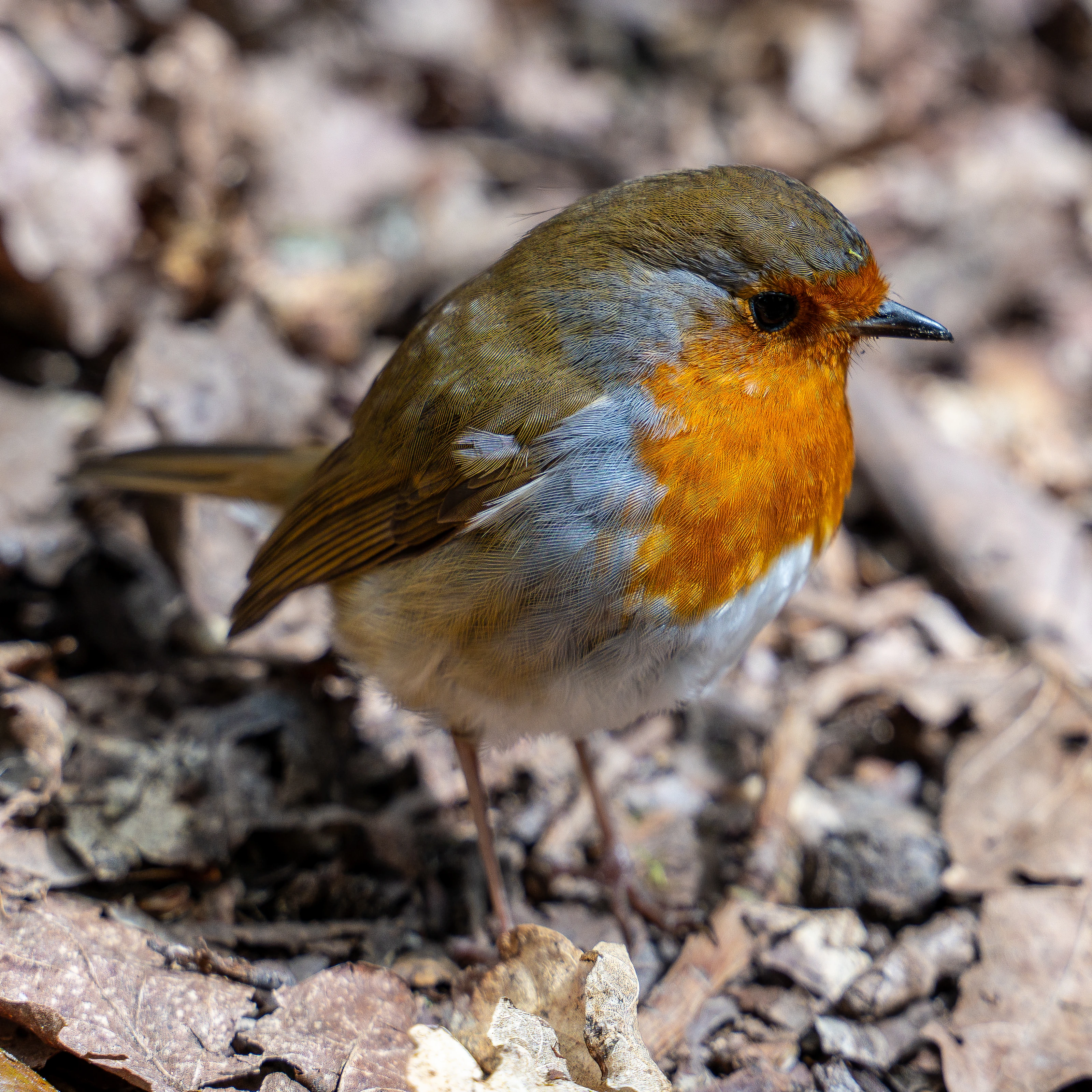
For a close portrait, a clearly focused eye often gives the viewer a place to connect with the animal. Animal-eye autofocus can help where your camera supports it, but check that it has selected the intended subject. Use a small focus area or tracking when branches, leaves or another animal confuse the selection.
Watch the background as closely as the subject. A bright patch behind the head can pull attention away; a lower viewpoint may replace a busy floor with a softer, more distant background. Stay within a position that is safe and comfortable rather than lowering yourself into the animal’s path.
Use spacing, repetition and surroundings
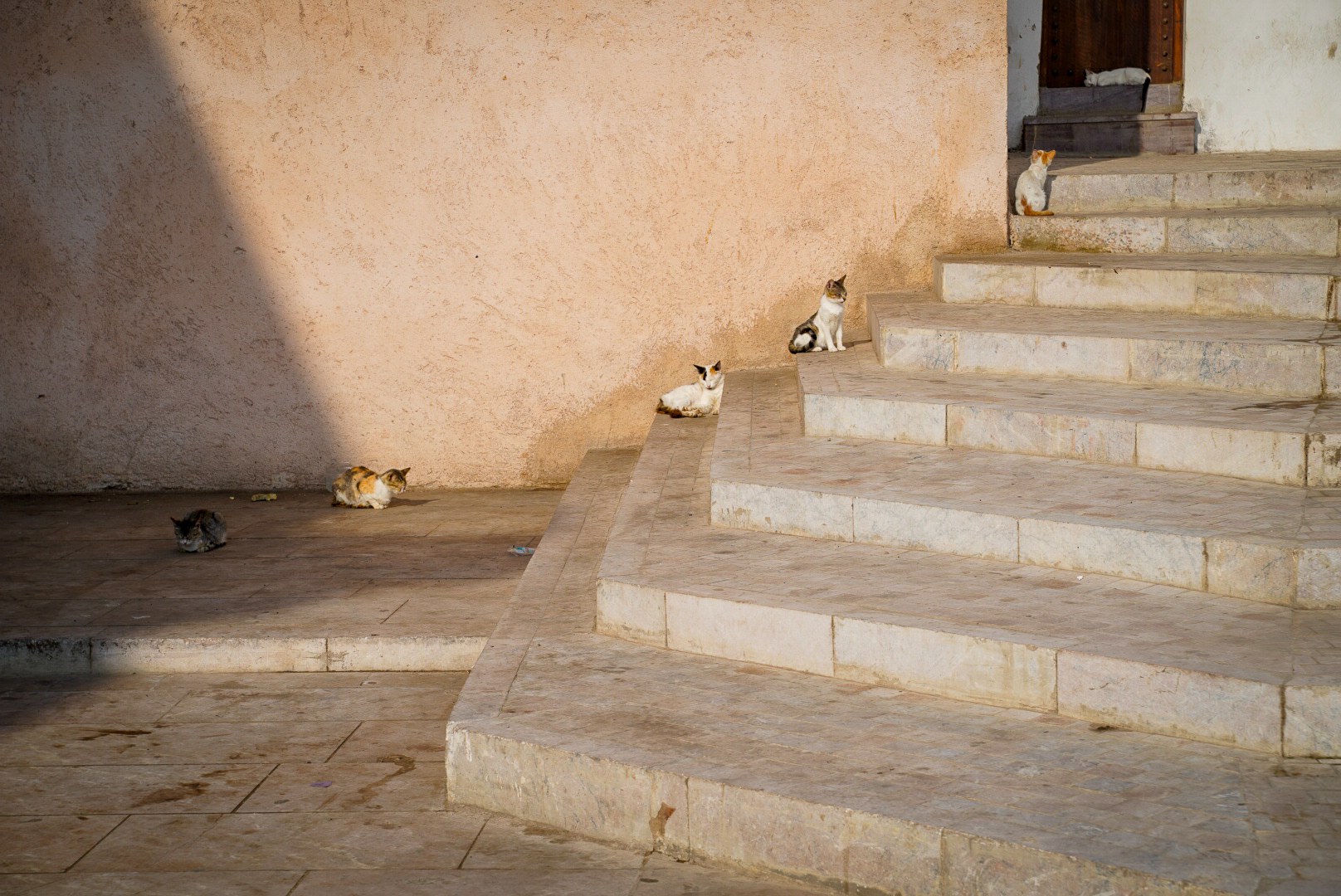
The cats on these steps create a picture through repetition and changing height. The stairs provide a route through the frame, and the empty wall gives the subjects breathing space. This is a different approach from a tight head-and-shoulders animal portrait: the arrangement is part of the story.
With several animals, look for small gaps between heads and bodies rather than one confusing outline. Wait for a turn of the head or a change in position. Try a wider frame as well as a closer one, and leave useful space in the direction an animal is looking.
Finish with a careful selection
Review similar frames together. Choose the one with the clearest eye, a useful head position and the least distracting overlap. A dramatic crop cannot recover missed focus, so favour a technically sound moment before making a tighter edit.
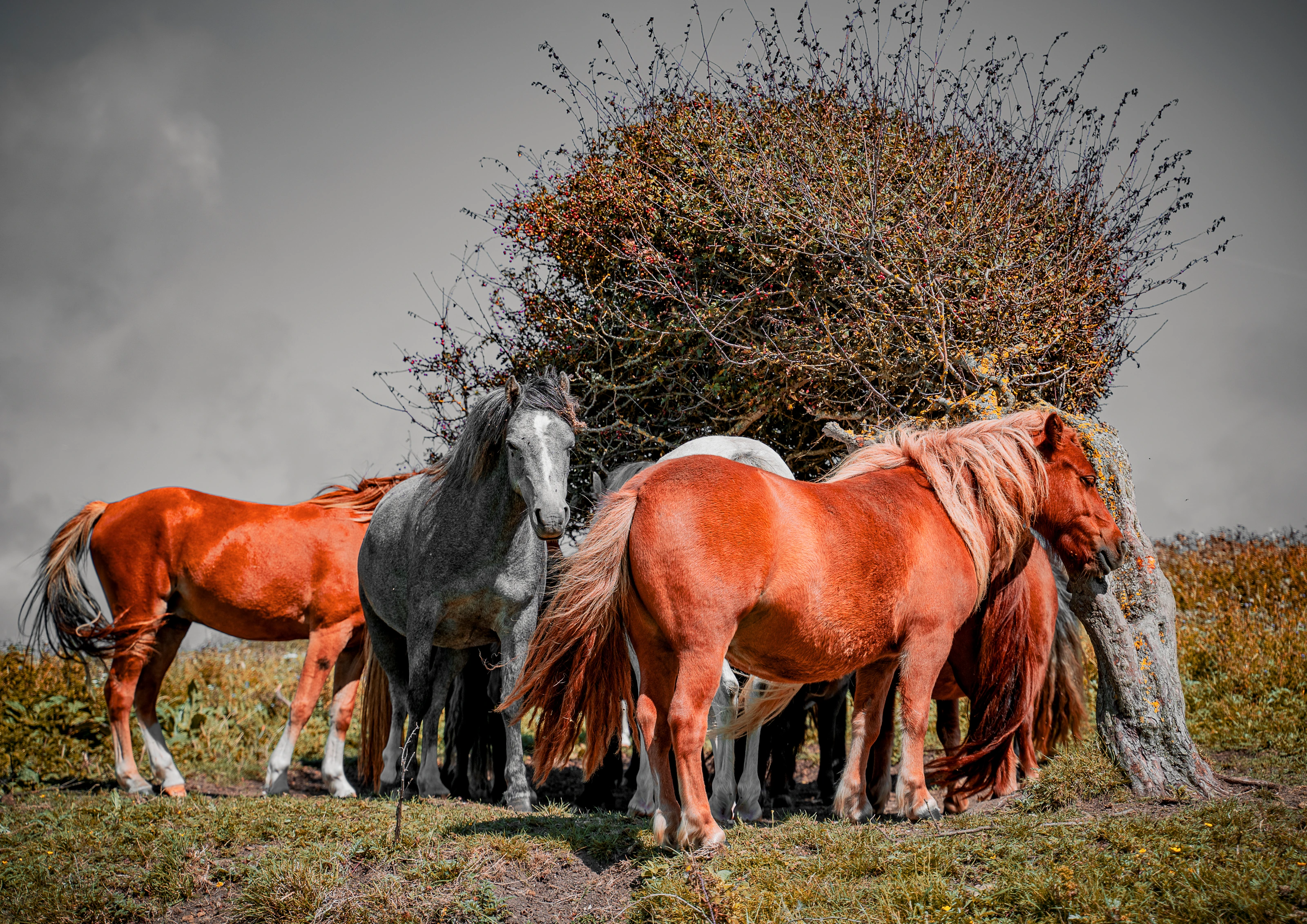
Colour treatment changes the mood of animal photographs too. The horse photograph below uses a selective colour treatment; it is an example of a creative finish, rather than a reference for the scene’s original colours. Keep that distinction clear when sharing photographs as natural-history records or documentary work.