What 61 megapixels means for a photograph
The A7R V has a full-frame sensor with approximately 61 effective megapixels. Sony lists its largest standard 3:2 still image at 9,504 × 6,336 pixels. That provides room for fine detail, large prints and a considered crop while retaining a useful amount of resolution.
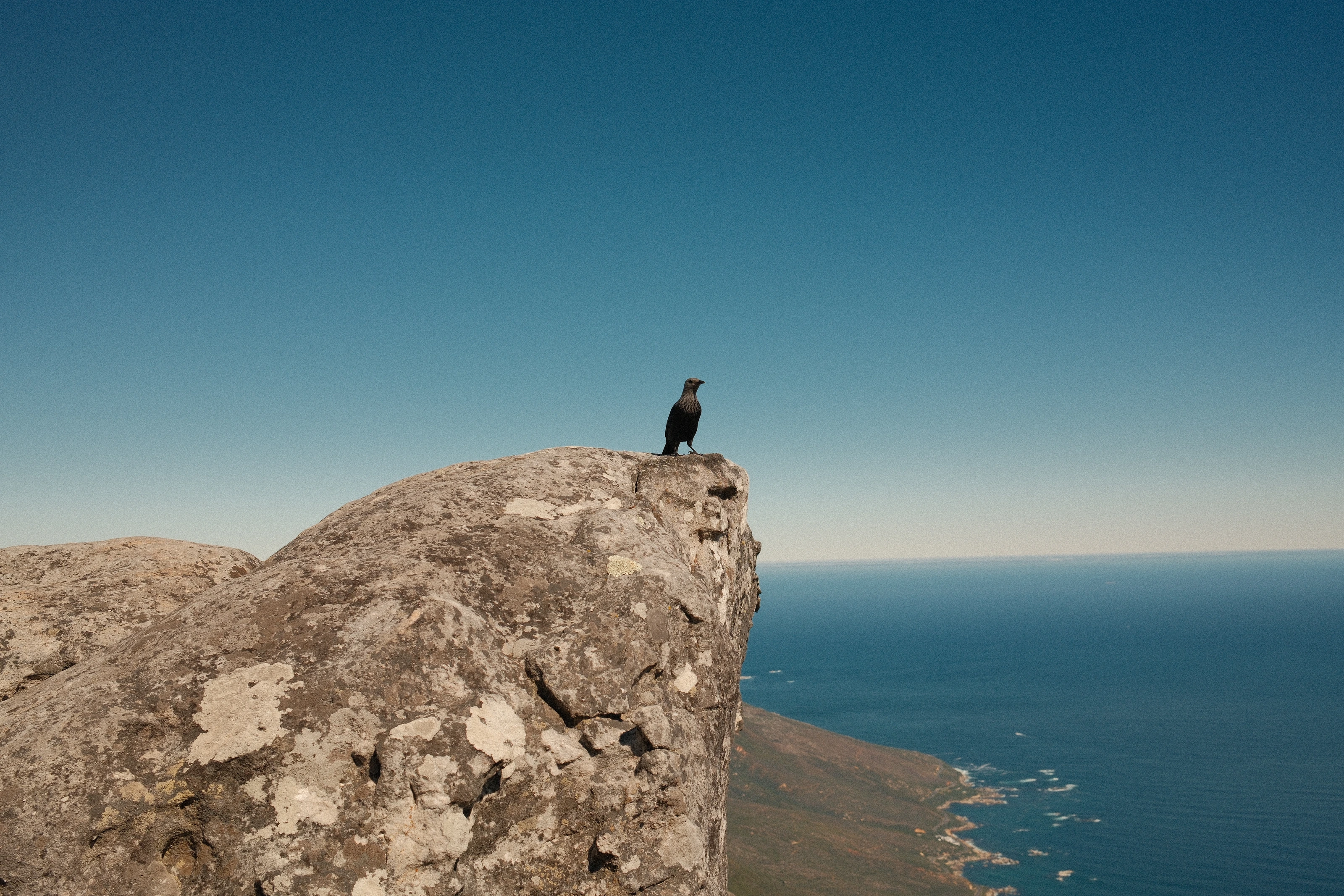
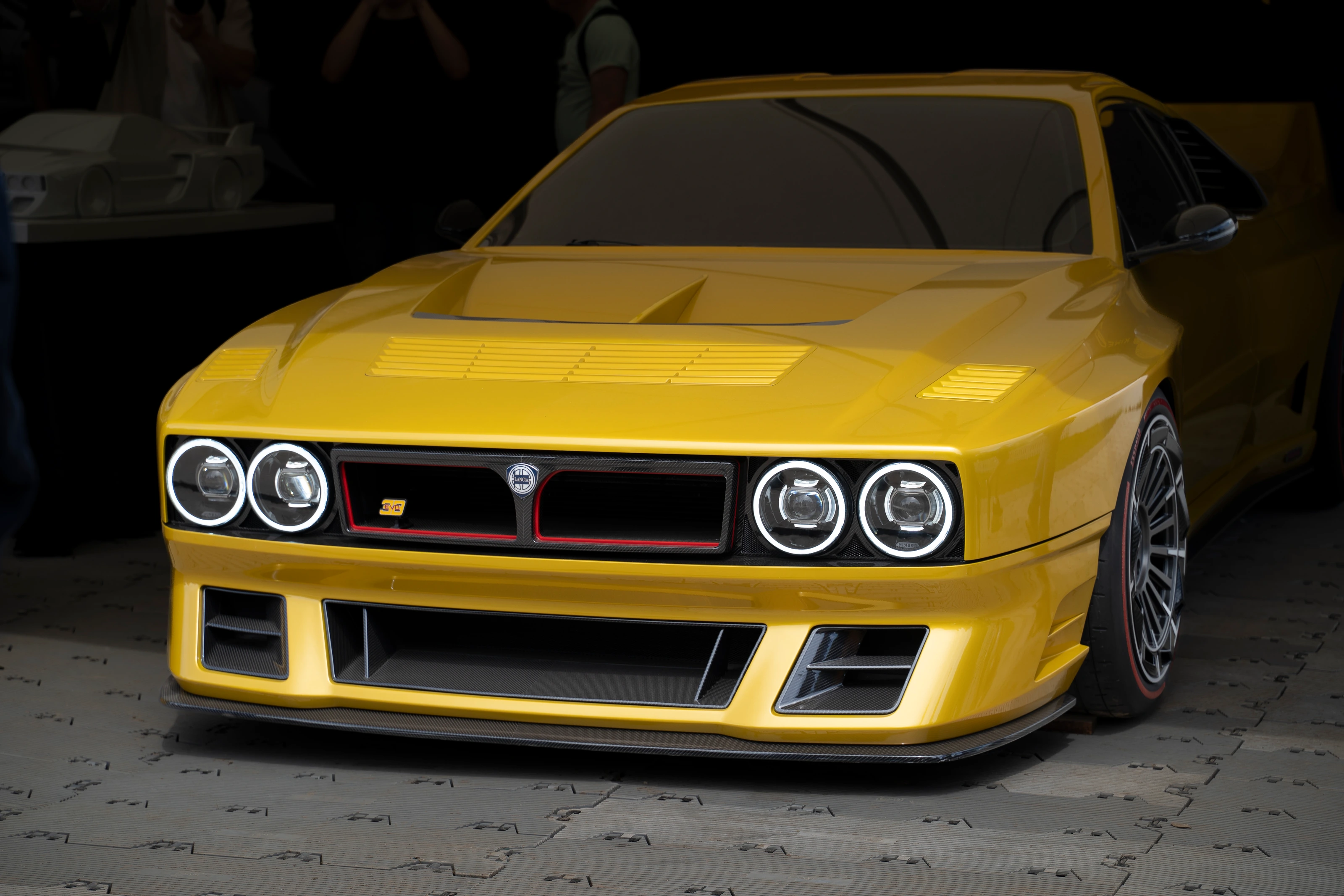
Think of a portrait that needs to work as both a wide album spread and a closer framed print. Extra pixels give more flexibility when preparing those different versions. The same principle applies to texture in clothing, the lines of a car or the distant detail in a landscape.
Resolution works best alongside good light, accurate focus and a suitable lens. A carefully made photograph gives those pixels something worth recording.
Recognising people, pets and vehicles
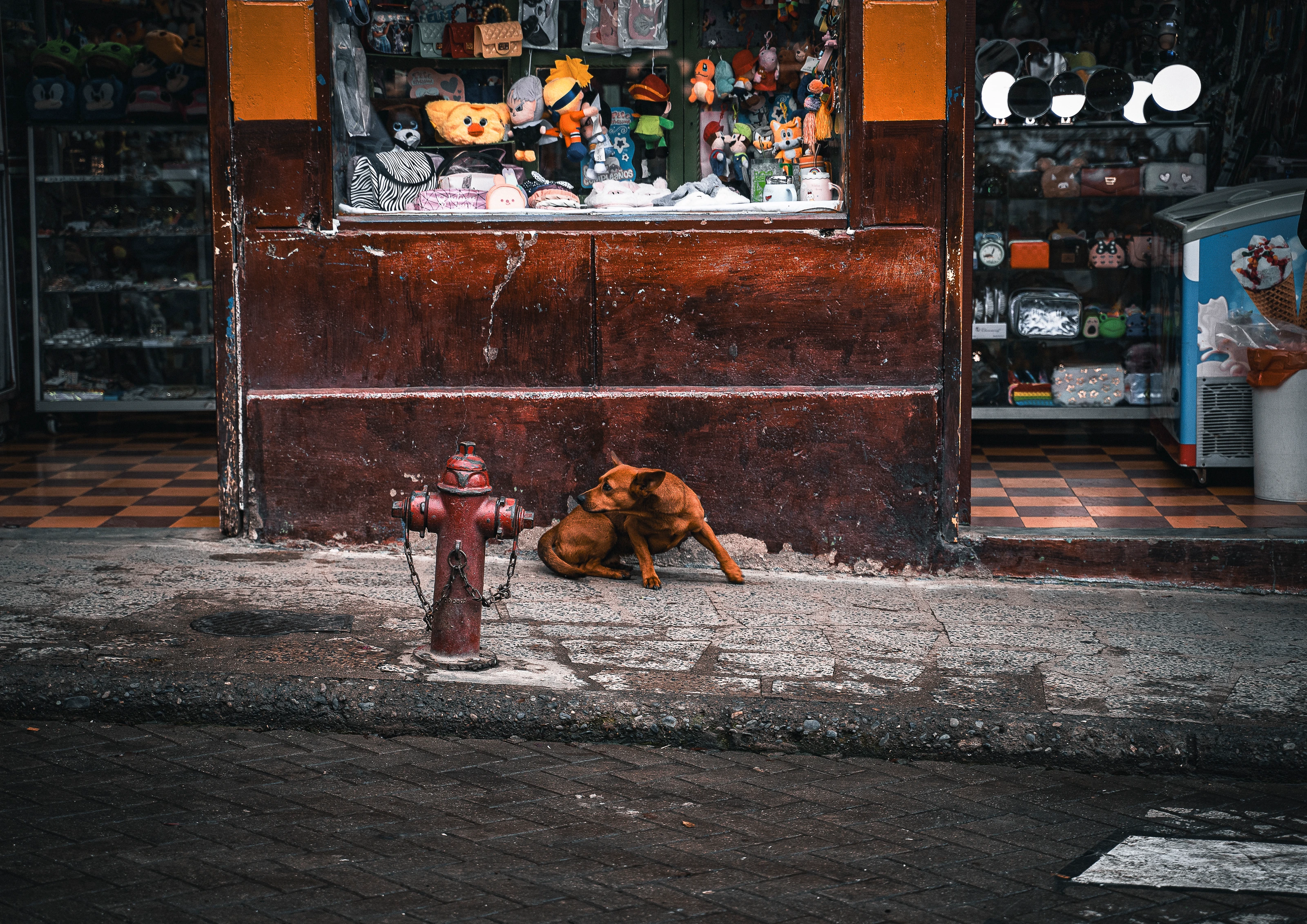
Sony’s dedicated AI processing supports subject-recognition autofocus. The A7R V includes recognition settings for people, animals, birds, insects, cars, trains and aircraft, with eye recognition available for supported subjects. These options help the camera identify what the photographer wants to keep in focus.
For a portrait, the eyes are often the most important point of focus. At an event, the challenge changes as people turn, move through the room or briefly pass behind someone else. Selecting the right subject and focus area remains part of making the photograph; recognition is a useful tool within that process.
Autofocus and shutter speed also do different jobs. Keeping a person in focus still needs a shutter speed that suits their movement, particularly with children, dancing or a lively celebration.
Making the most of the detail
A high-resolution camera rewards attention to the whole frame. Before taking a photograph, look at the direction of the light, the background and the space around the subject. Small changes in position can make a bigger difference than a long list of settings.
The A7R V includes five-axis image stabilisation to help compensate for camera movement. A steady camera is especially useful for still subjects; moving subjects need their own exposure decisions. For a group portrait, there also needs to be enough depth of field to keep people in different rows clear.
For prints, the final crop, paper and viewing distance all matter. Tell us where a photograph will be displayed so its proportions and finish can be considered from the start.
From a detailed file to a sharp online gallery
A camera’s original image and the version displayed on a website have different jobs. The original carries the detail needed for editing and preparing prints. A website image needs to look clear at its displayed size while loading comfortably on a phone or desktop.
A high-density desktop screen can benefit from an image with more pixels than its on-screen width suggests. Careful resizing, sensible compression and sharpening for the intended output help preserve detail. Uploading the largest possible file everywhere can slow a gallery down without improving what the viewer actually sees.
For printing, use the supplied download rather than a screenshot. A screenshot records the screen’s version of the image and cannot recover the original detail when enlarged.
Video and the finished story
The A7R V also offers 4K and 8K video recording. Recording modes have different frame rates, crops and storage requirements, so the choice should follow the film being made and how it will be watched.
For an event film, clear sound, thoughtful coverage and a well-paced edit are just as important as resolution. If you are planning photography, video or both, share the occasion and the moments you want to remember. That gives us a useful starting point for shaping the coverage.
Sources & further reading
References checked on 2026-09-22.