Start with the reason for the photographs
For a personal collection, you might want atmosphere, a favourite angle and details that make the car yours. For a sale listing, the priority is a complete and accurate record: exterior, cabin, boot, wheels and any features or marks a buyer should see. For a business, explain where the photographs will appear and which formats are needed.
Send a few reference images and explain what you like about them. It may be the light, the location, the crop or simply the way the car fills the frame. Agree whether the edit should feel natural or more stylised; a selective-colour treatment can suit a personal print, but a listing needs to represent the vehicle faithfully.
Choose a location that leaves room to work
Look for a background that supports the car’s shape without competing with it. A wall, a spacious permitted parking area or an open landscape can each work. Check what will be behind the vehicle from more than one angle, and leave enough space for the photographer to step back.
For a London session, discuss traffic, pedestrians, access and the time of day before choosing the spot. Use a location where the car can be positioned safely and with permission where needed. The photographs in our collection include street scenes and displays; a planned private session gives more control over positioning and the surroundings.
Prepare the surfaces the camera will see
Clean the bodywork, glass, wheels and visible interior before the agreed time. Fingerprints on glossy surfaces and dust on a dashboard become much more obvious in close photographs. Remove personal belongings and anything you do not want shown in the finished images.
Have keys available, check which lights can be used while parked, and tell the photographer about fragile finishes or panels that should not be touched. Only the owner or an authorised person should move the car or open unfamiliar mechanisms. Discuss number-plate visibility and the intended publication of the photographs as part of the brief.
Build a sequence, not ten versions of one angle
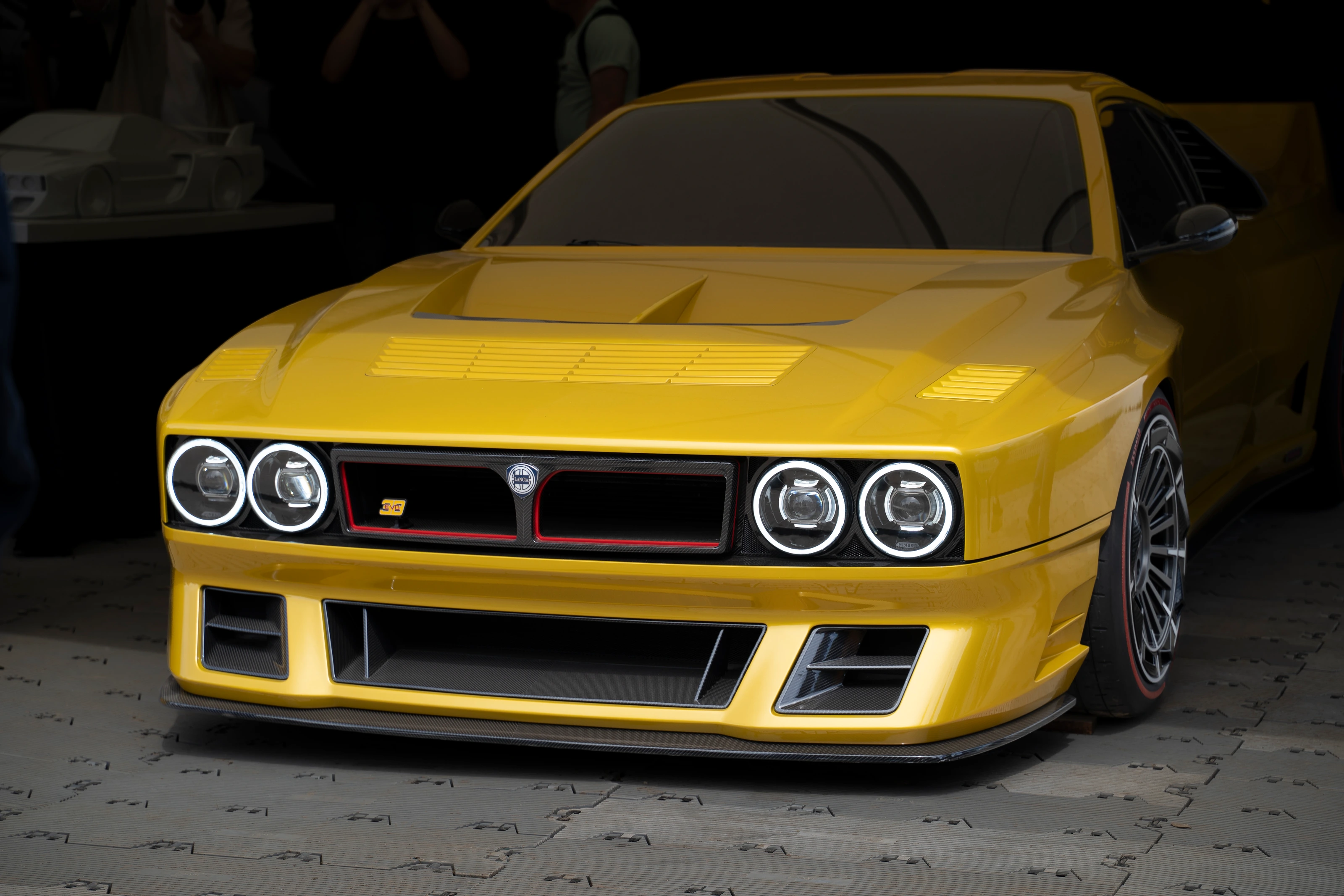
Begin with a front three-quarter view, then make a side profile and a rear three-quarter view. Add a straight-on frame if symmetry suits the design. These views explain different things: the profile shows proportions, while the three-quarter angle reveals how the front and side connect.
Once the main views are covered, move closer. A grille, wheel, light, badge or carefully framed interior can add variety. For a listing, agree the full factual coverage first; for an enthusiast’s collection, choose the details that are personally significant. Make both horizontal and vertical photographs if you need a mix for websites, prints and social posts.
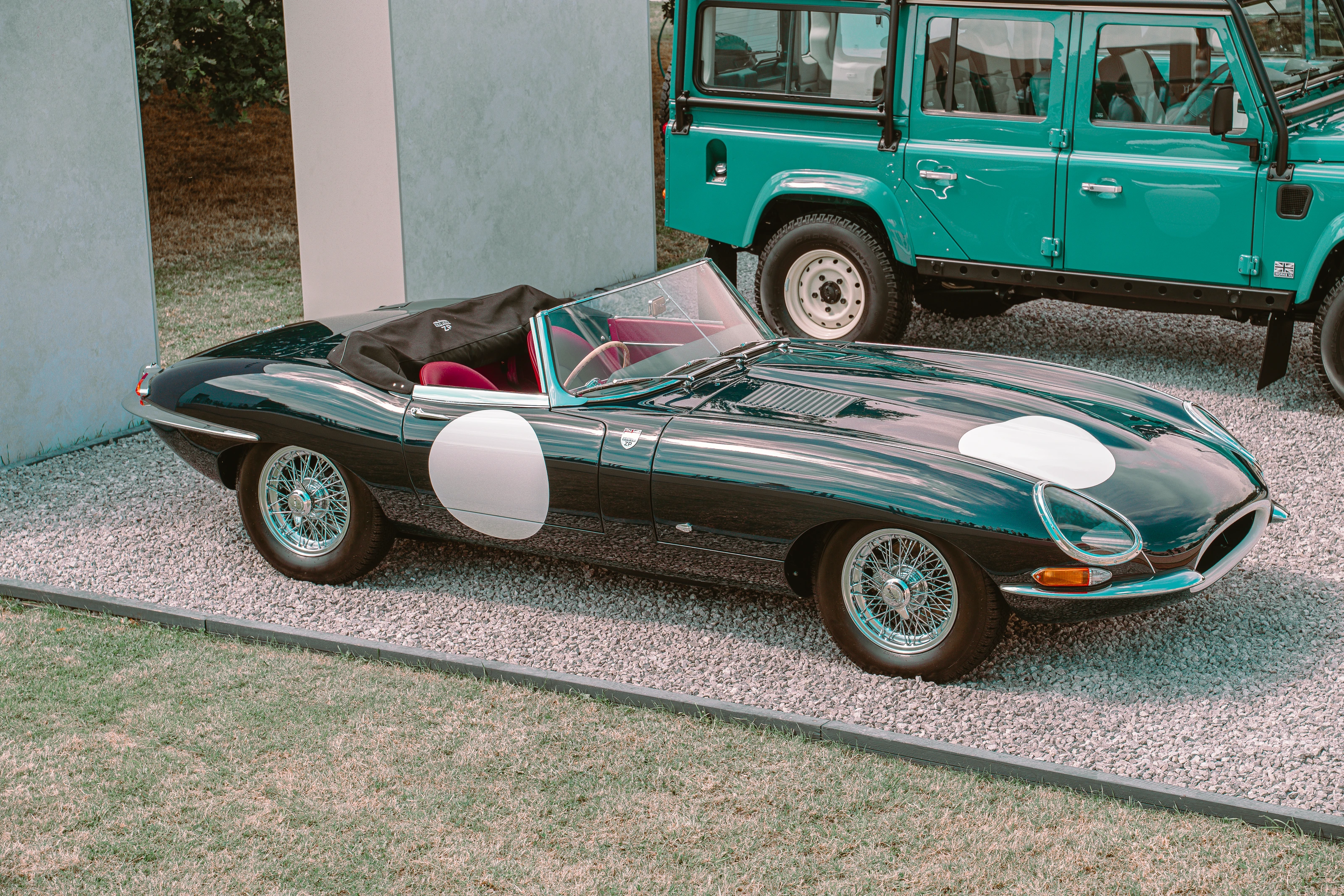
Agree the practical details before booking
Share the vehicle, preferred date, location and intended use when enquiring. Include whether there is more than one car, any access restrictions and any fixed deadline. Weather and reflections affect the look, so discuss an alternative plan if the chosen conditions do not arrive.
Clickography is based in West London, and covers London, surrounding areas and the UK. Explore the automotive gallery and send your brief through the enquiry page. Coverage, editing, delivery and pricing can then be agreed for the session you actually need.