Use a frame that points somewhere
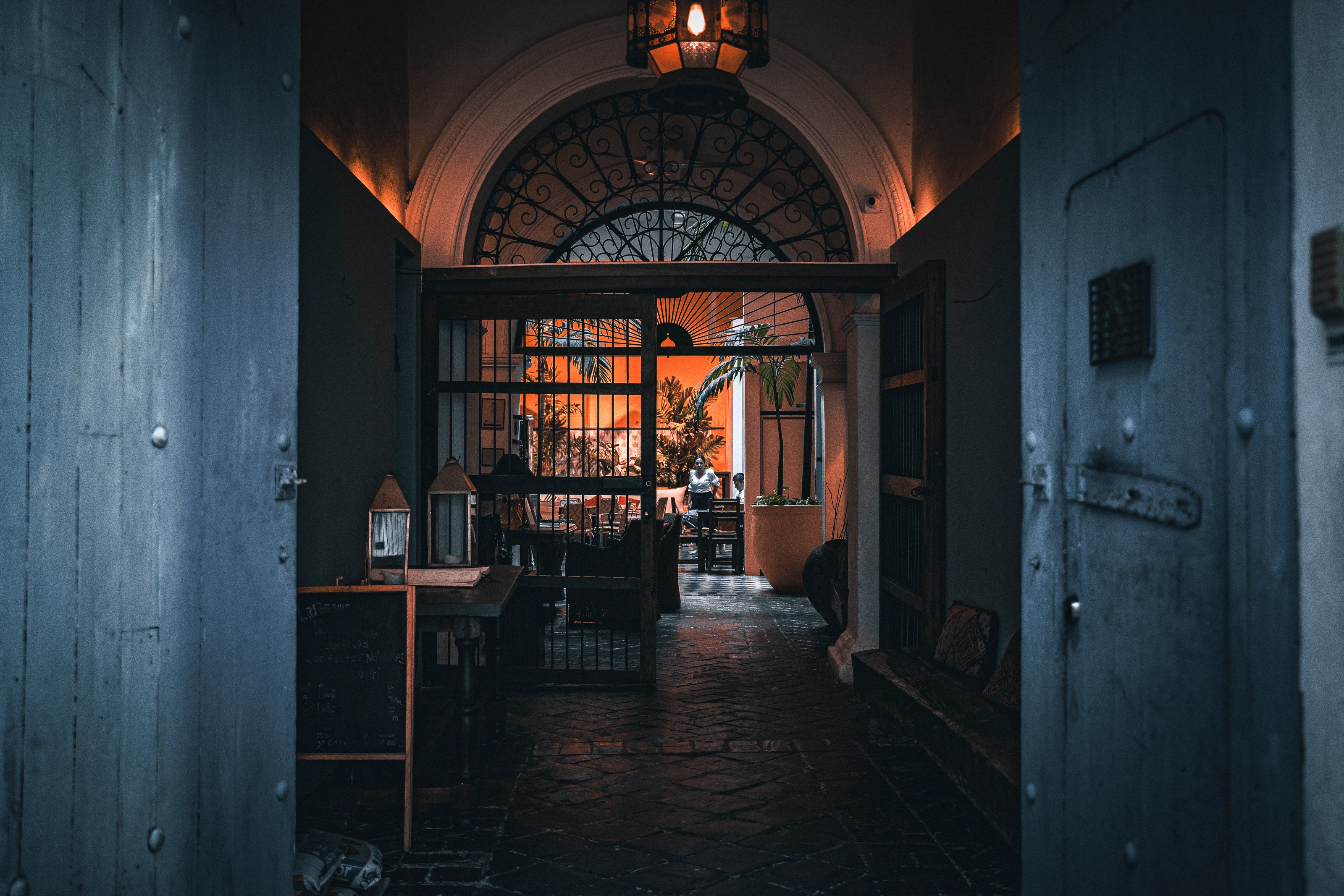
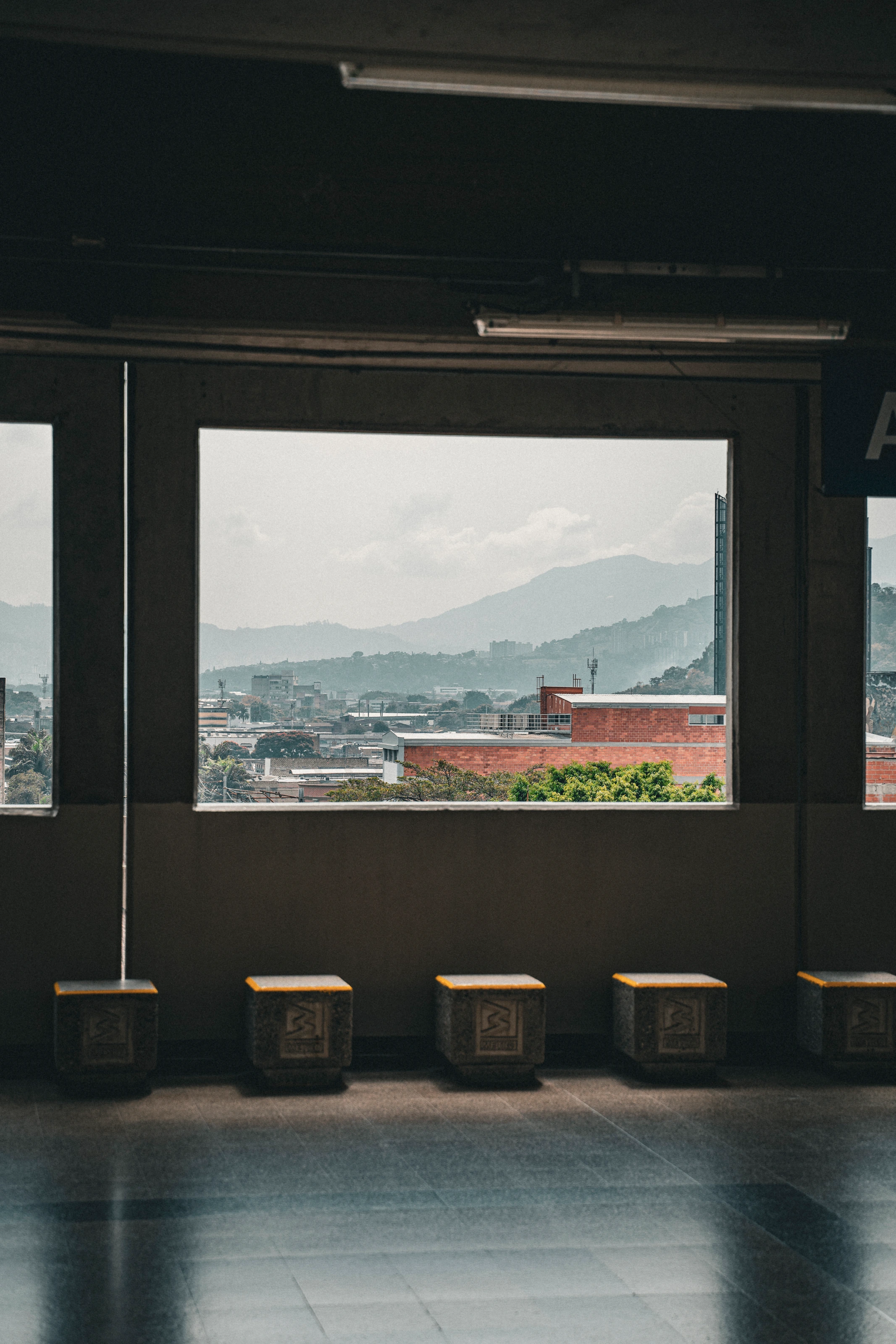
A doorway or window creates a natural boundary around part of a scene. In the photograph above, the cooler, darker entrance surrounds the warm light inside. The frame is useful because it directs attention towards a distinct place, not merely because it encloses something.
Try moving slightly left or right before taking the photograph. Small changes can centre the opening, reveal a person inside or remove a distracting overlap. Decide whether the surrounding frame should hold detail or become a darker shape. You do not need to brighten every shadow for the composition to work.
Look for a line with a destination
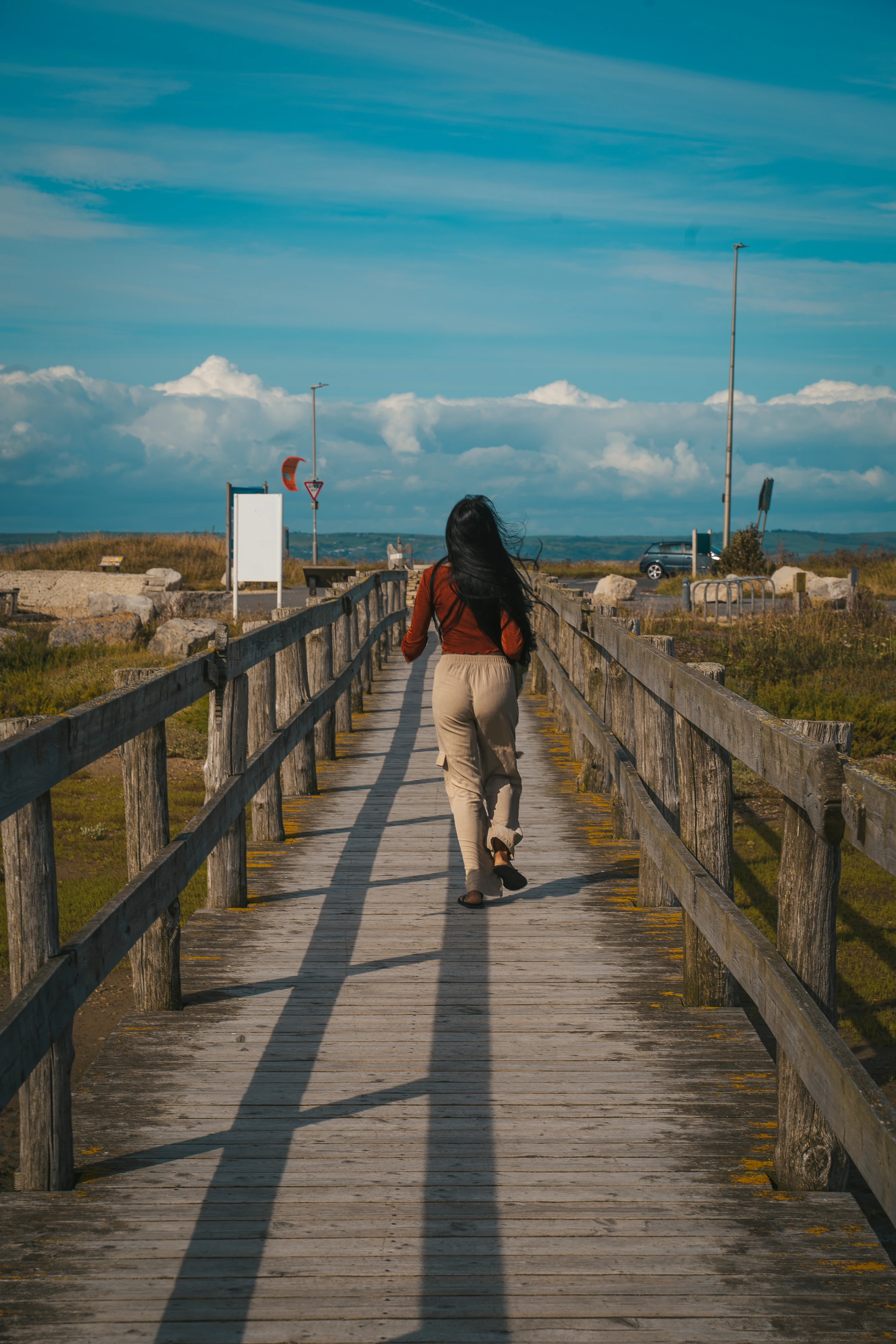
A path, railing or riverbank can guide attention, but the end of the line matters. Ask what the viewer finds there. A line that leaves the picture at an awkward edge may compete with your subject; one that leads towards a person or building can give the photograph direction.
In the boardwalk portrait, the converging rails lead towards the figure. The repetition of the planks adds rhythm, while the open sky leaves space above. A lower or higher camera position changes how strongly those rails converge and how much surrounding detail enters the frame.
Separate the foreground, middle and distance
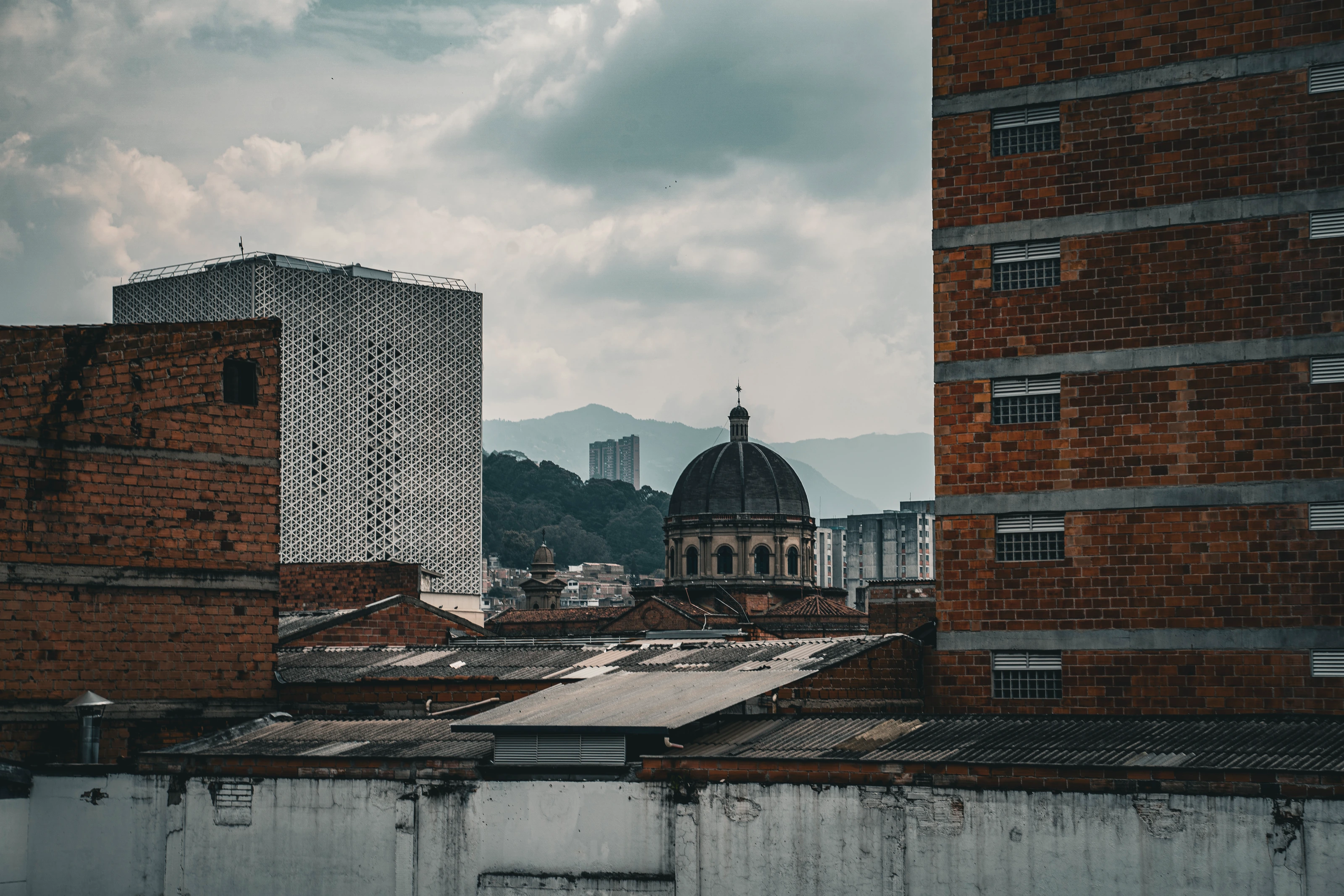
Layers help a flat photograph describe space. Nearby architecture, a middle-distance subject and a softer distant hill can each play a different role. Look for gaps between them so the important shapes do not merge into one outline.
The rooftops photograph places the dome between brick structures, with hills behind. The difference in scale and contrast gives the scene depth. If a foreground object covers too much of the subject, shift your position or change the framing; a longer lens by itself does not solve an obstructed view.
Balance a busy scene with quieter space
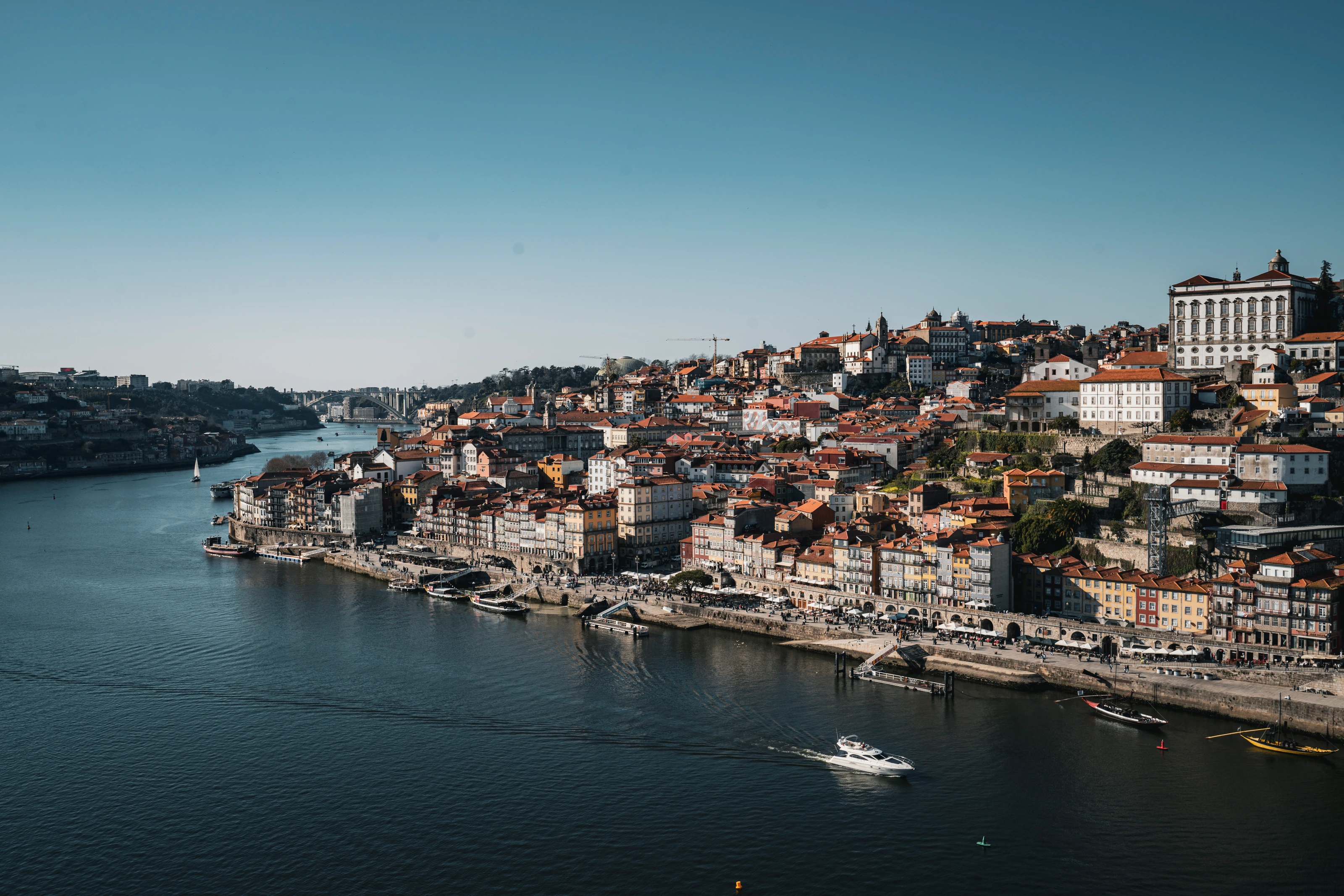
A wide city view does not need equal detail everywhere. Water or sky can balance a dense collection of buildings and make the overall arrangement easier to read. Watch the horizon and decide whether the empty area contributes to the mood or simply takes space away from the subject.
In the river photograph, the dense hillside sits beside a broad area of water. Boats provide smaller points of interest and a sense of scale. Try a slightly tighter crop and compare it with the wider version: the question is which makes the relationship between the city and river clearer.
Practise with three deliberate frames
At one accessible location, make a wide photograph that explains the setting, a middle-distance frame organised around one subject, and a detail that concentrates on light or texture. Work from places you are welcome to stand and leave space for other people to pass.
Review the three photographs together. For each, describe the main subject in a short sentence. If you struggle, simplify the composition or wait for a clearer moment. The aim is not to apply every compositional rule at once, but to give each photograph one convincing idea.